
How to buy a used motorcycle or light vehicle properly
A plain guide to licence categories, engine bands, the paperwork you should expect and the questions worth asking before you hand over any money — written by a dealer who has to live with the answer.
Match the machine to the licence, not the other way round
This is the step people skip, and it is the one that causes the most expensive mistakes. Your licence determines the engine band you can legally ride, and no dealer can talk you past that.
| Licence | What it covers in practice | Engine band to look at |
|---|---|---|
| CBT (with provisional A1) | Compulsory basic training, valid two years | 125cc, modest power output |
| Category A1 | Light motorcycles from age 17 | 125cc, up to the A1 power limit |
| Category A2 | Restricted motorcycles from age 19 | Up to roughly 500cc in our stock |
| Category A | Unrestricted motorcycles | 650cc, 900cc and above |
| Category B | Cars and light vehicles up to 3.5 tonnes | City cars, compact hatchbacks, compact vans |
What each band is actually like to live with
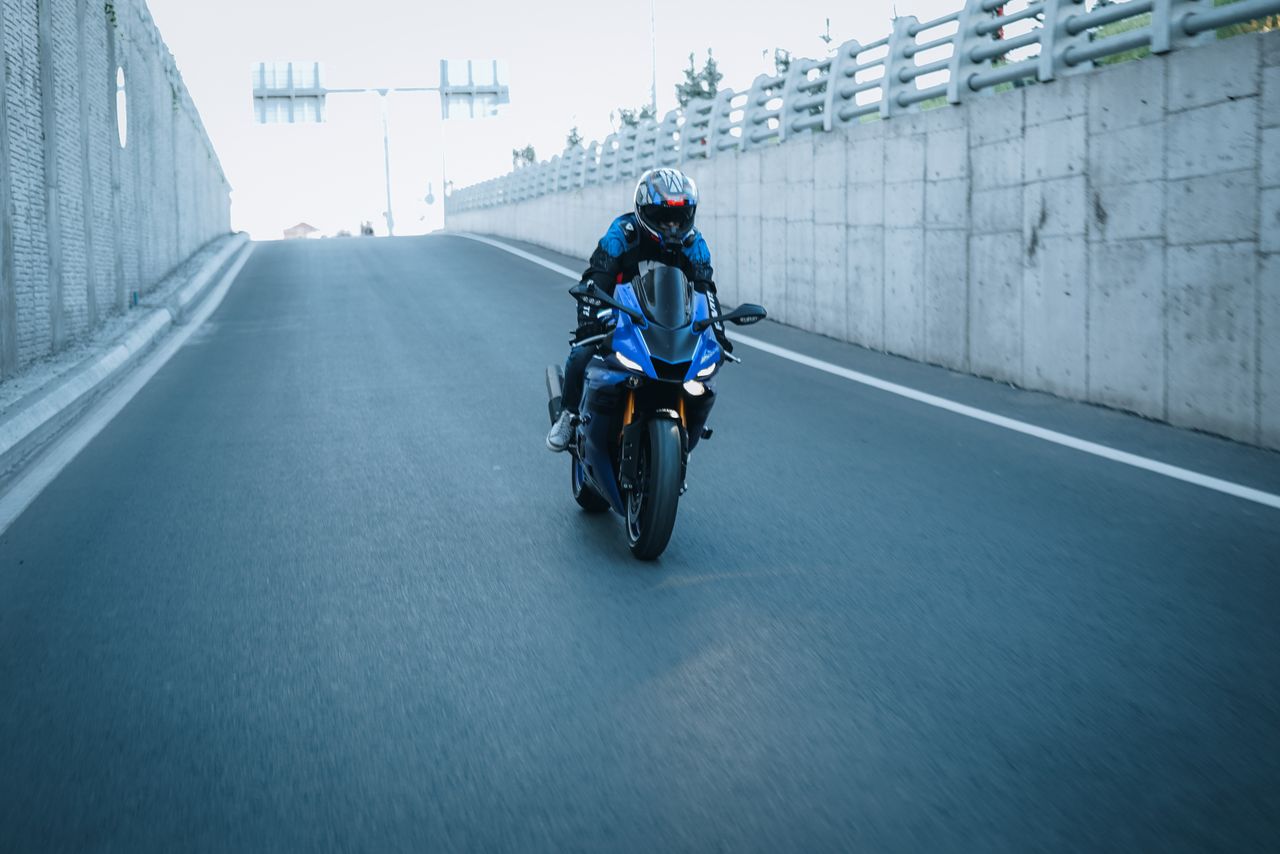
125cc — the sensible start
Light, upright, cheap to insure and easy to filter. Ideal for a first bike or a short commute, and the band most of our CBT customers buy in.
- Lowest running costs of any band
- CBT or A1 licence sufficient
- Comfortable at town speeds, strained on a motorway
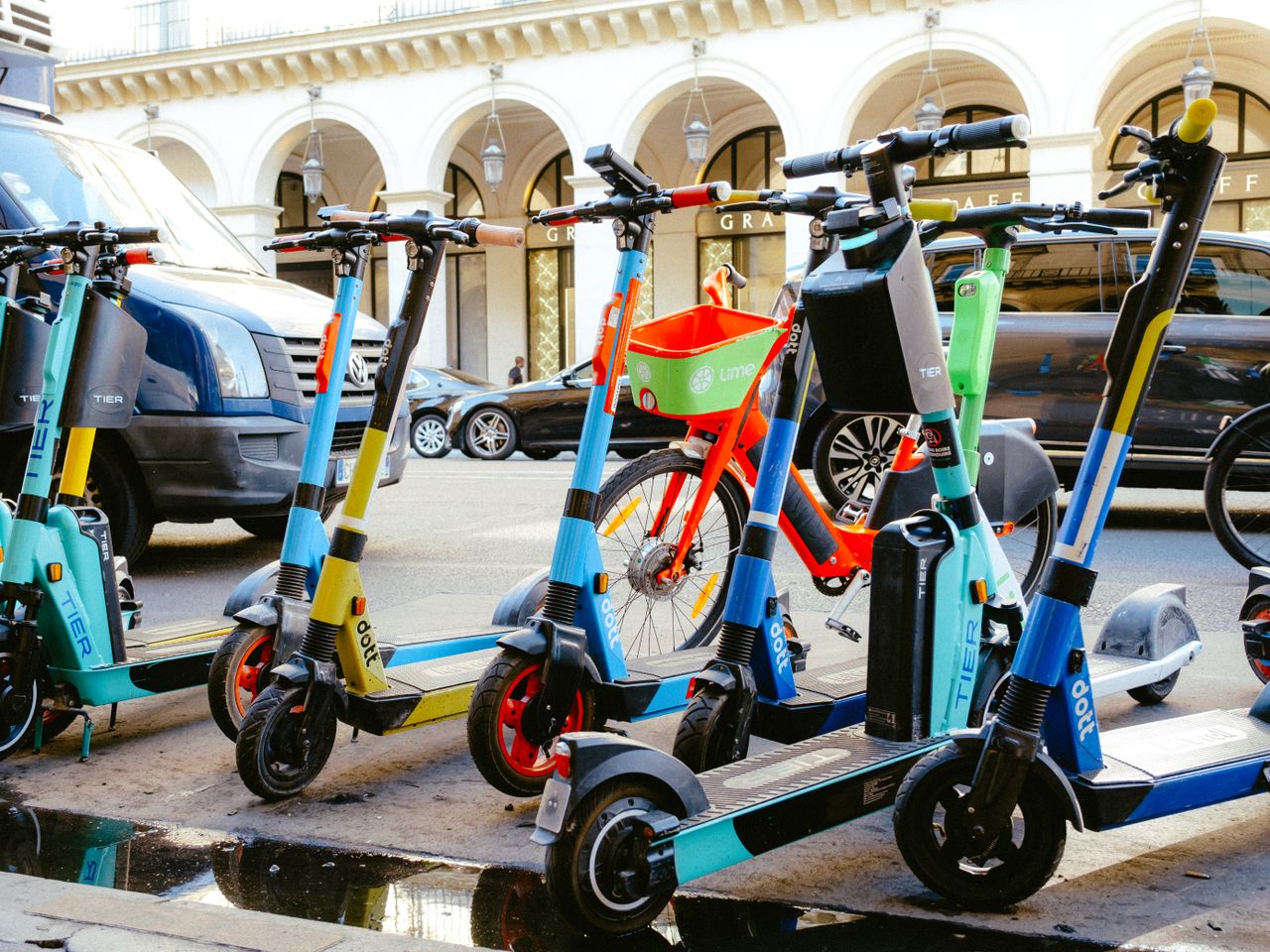
Automatic scooters
No clutch and no gears. Twist and go, underseat storage, and a riding position that suits anyone coming to two wheels for the first time.
- Simplest possible controls
- Storage for a helmet and a bag
- Check tyre size and wheel diameter carefully
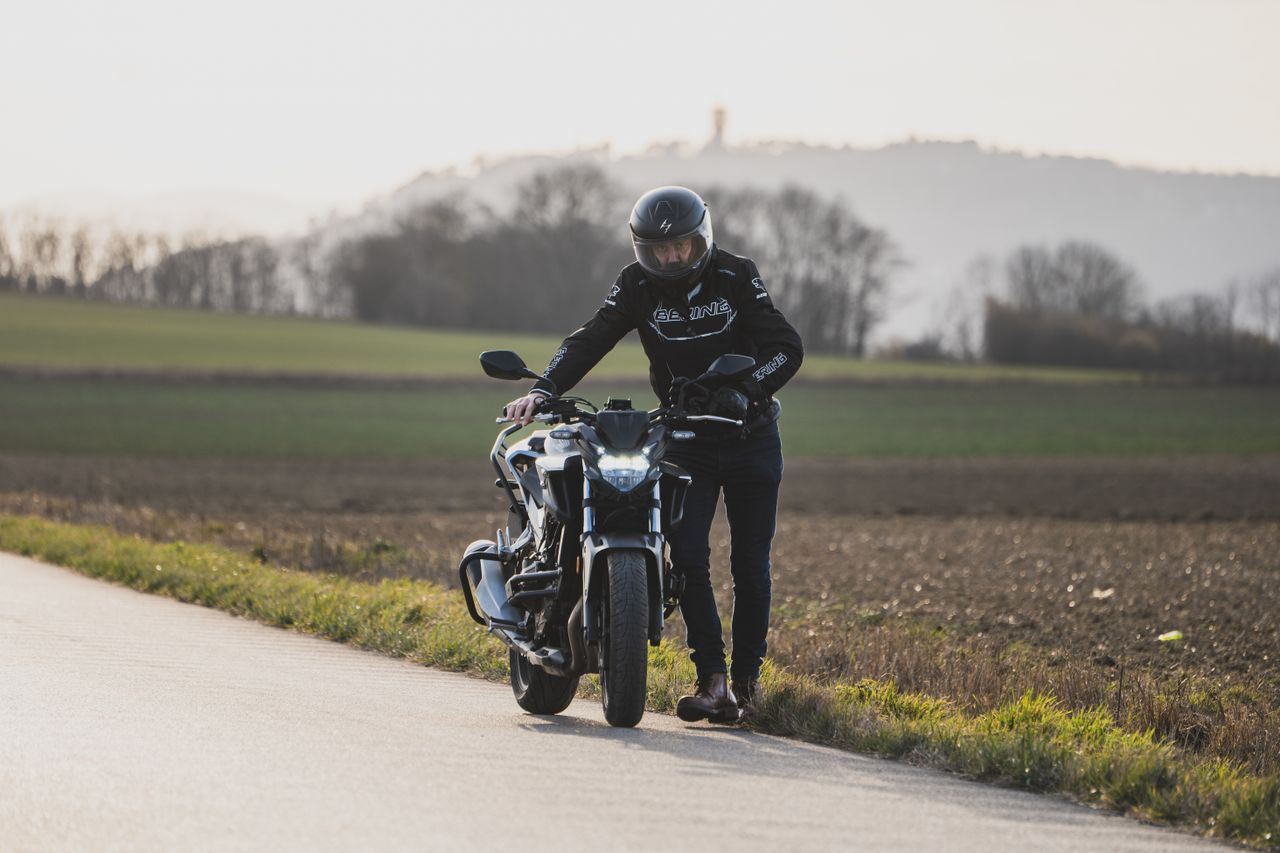
250cc to 500cc — A2 territory
The middleweight bracket holds a motorway lane, carries luggage and still behaves on a potholed back road. The best all-round choice for most riders.
- A2 licence eligible across the band
- Enough torque for two-up riding
- Insurance usually far below big-capacity machines
650cc and above — full licence
Comfortable, capable and genuinely usable every day. Long distances, pillions and luggage stop being a compromise.
- Full category A licence required
- Two-up touring becomes realistic
- Check insurance before you set your budget
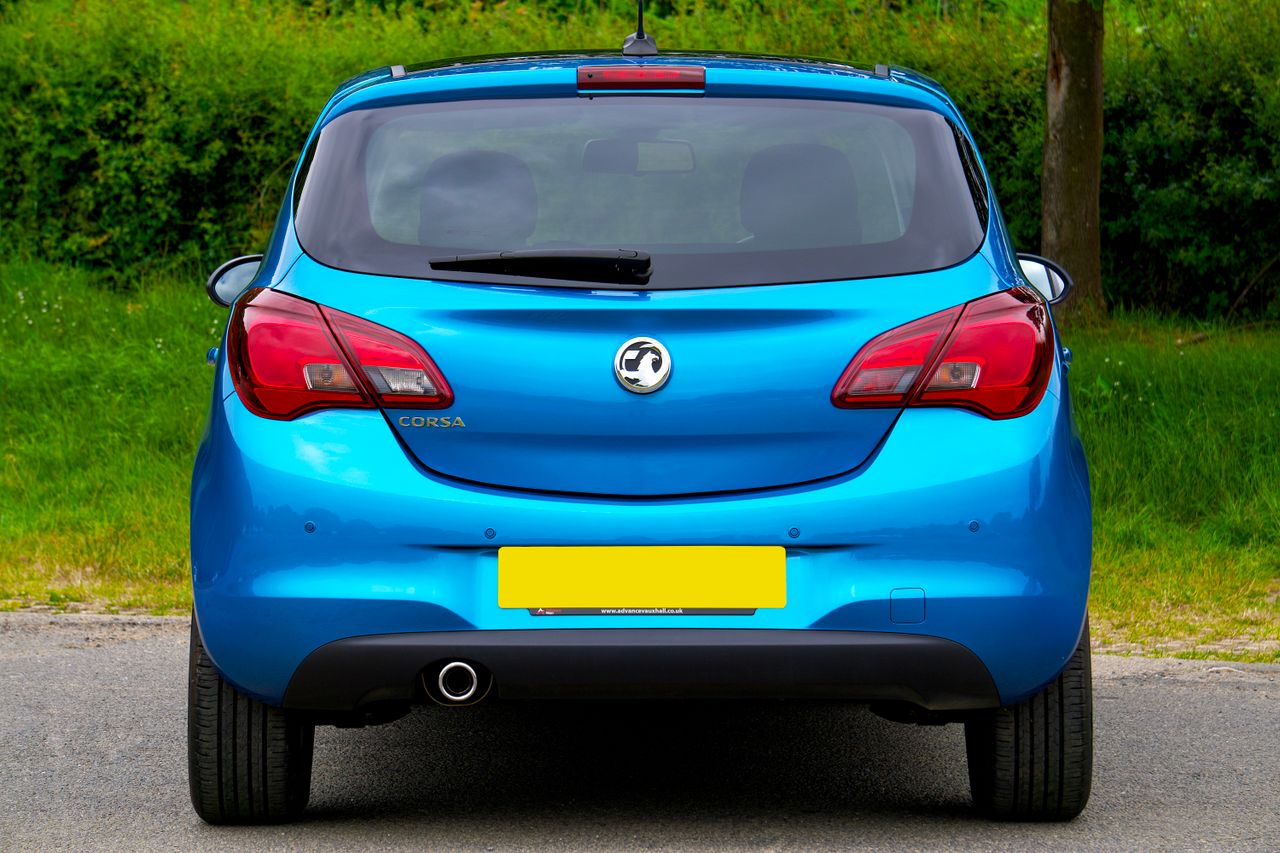
Compact cars
Small petrol hatchbacks with low tax bands, cheap insurance and parking that does not require a plan. The right answer for most first car buyers.
- Check CO2 band before you buy
- Ask about cambelt or chain history
- Confirm the spare or inflation kit is present

Light commercial vans
Car-derived and compact panel vans for trades and deliveries, sized to fit a normal driveway and a normal parking bay.
- Category B licence is sufficient for most
- Understand payload before you commit
- Check the load bay for rust and repair
What to look at, and what to ask
Take this list with you whether you are looking at our vehicles or anybody else’s. It works the same way in Blackburn as it does anywhere in Lancashire.
- Start it from coldAsk for the engine to be cold when you arrive. A machine that starts instantly when warm tells you very little.
- Look at the tyres, not the paintTread depth, uneven wear and cracked sidewalls are the most reliable indicator of how a vehicle has been treated.
- Check the brakes properlyDiscs for scoring and lipping, pads for thickness, fluid for colour, and the lever or pedal for feel rather than travel.
- Listen at idle and under loadRattles and exhaust blows at idle, hesitancy under load. Both are cheaper to identify before purchase than after.
- Test the electricsEvery light, the indicators, the horn, the instrument cluster and the charging circuit if you can.
- Inspect the frame and forksLook for fresh paint, welding, or a mismatch that suggests a dropped machine and a cosmetic repair.
- Read the condition sheetIf a dealer cannot produce a written record of condition, that absence is itself information you should act on.
- Confirm the paperworkV5C present, keeper details consistent, and for a car or van an MOT history you can check online yourself.
- Ask what it will needChain, pads, tyres, battery and a service have identifiable costs. Ask for them to be written down rather than estimated.
- Agree the total in writingVehicle figure, part-exchange allowance, every fee, and the deposit terms. One page, signed, before any money moves.
The documents a proper sale should leave you with



Five things buyers in Lancashire regret most
Buying on the headline price alone
Skipping the licence check
Buying at the wrong time of year
Not reading the condition sheet
Paying a deposit without terms in writing
Come and look at something with the checklist in your hand
Bring this page with you if it helps. We would rather you arrived with questions than left with doubts, and the condition sheet is available on every vehicle on the yard.